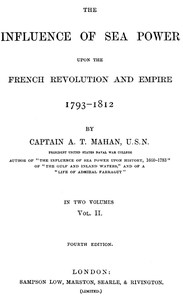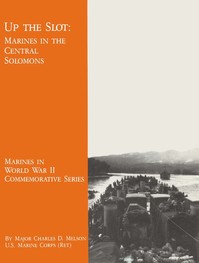
Revolutions
Dive into the seismic shifts in knowledge, culture, and power that shaped humanity's progress, exclusively on oqike.com.
Independent digital catalogue
This catalogue gathers 91 public-domain books that concentrate on modern history, with a particular emphasis on conflict, political change, and social transformation from the 19th and early 20th centuries. The collection is organized into four overlapping categories: Revolutions, Modern Nations, Social History, and World Events, which serve as navigational aids rather than strict classifications. Readers can explore firsthand accounts of World War I, detailed narratives of the American Civil War, analyses of the French Revolution, and records of the Nuremberg trials. Each book page includes editorial notes, bibliographic details, and direct links to Project Gutenberg editions.
Subject gateways
Browse the library by topic, era, or type of primary source.
Dive into the seismic shifts in knowledge, culture, and power that shaped humanity's progress, exclusively on oqike.com.
Engage with contemporary global perspectives and diverse national stories on oqike.com's Modern Nations theme.
Trace the vibrant stories of human experience and societal evolution within oqike.com's Social History collection.
Discover pivotal historical moments and crucial current events meticulously curated on oqike.com.
A closer look
One work and three nearby readings from the current catalogue.

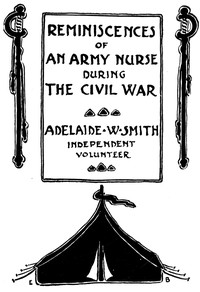
Authored by Authors: Smith, Adelaide W., 1831-..., 'Reminiscences of an army nurse d...' stands as a notable and significant work within the Modern Nations category. Adelaide W. Smith's 1911 memoir recounts her five years as a volunteer nurse in Civil War hospitals, from Bedloe's Island to City Point. The narrative blends hospital routines, encounters with figures like General Grant, and episodes such as a Thanksgiving dinner under fire at Dutch Gap, offering a firsthand view of women's wartime service. Discover the unique thematic elements that make this specific work highly regarded.
View catalogue record
Routes through the collection
Four routes into the collection for readers approaching the catalogue with different questions.
Record framework
Learn how entries are organized and cross-referenced without changing the underlying sources.
Connect catalogue entries to the corresponding source texts and reference materials.
Show clear title, author, and edition details to help you identify each work.
Group titles by recurring themes, historical settings, and research questions.
Explain how catalogue records relate to one another while keeping the original source wording intact.
About these records
How the collection is organized, presented and corrected.
It generally means that the represented source text is no longer protected by copyright in the applicable jurisdiction or has been released for public use. Status may vary by country and edition.
A record may include the title, author, category, cover, description, edition information, source references and available reading or download options.
A category reflects a work’s principal subjects, literary setting, source type and relationship to nearby records in the collection.
The catalogue adds navigation, metadata and editorial context. The represented source text retains its wording, edition information and rights status.
Use the contact page and include the work title, page address and the exact attribution, category, metadata or source detail requiring attention.
Catalogue stewardship
Catalogue information
OQIKE Catalogue directs the structure of the library, which contains 91 books, 114 authors, and 4 categories. The team maintains the accuracy of these collections.