
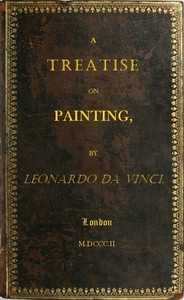
A Treatise on Painting by da Vinci Leonardo
Read "A Treatise on Painting by da Vinci Leonardo" Online
This book is available in the public domain. Start reading the digital edition below.
START READING FULL BOOKBook Preview
A short preview of the book’s content is shown below to give you an idea of its style and themes.
Let's be clear from the start: this isn't a novel. You won't find a plot with heroes and villains. Instead, think of it as the ultimate behind-the-scenes documentary. 'A Treatise on Painting' is Leonardo's brain, spilled out onto the page. He organized his thoughts (well, as much as Leonardo ever organized anything) into sections that build from the ground up.
The Story
The 'story' is the journey of becoming an artist, as told by the Renaissance's ultimate overachiever. It starts with the basics—how to train a young student, the importance of drawing. Then, it zooms out. Leonardo doesn't just teach you how to paint a nose; he explains why shadows fall a certain way on it, how light from a window changes its color, and how its shape relates to the bones and muscles underneath. He moves from human figures to landscapes, animals, and even how to depict things like rain, smoke, and dust in the air. The central thread is his obsession with observation. For him, the painter isn't just a decorator, but a philosopher with a brush, someone who investigates the very laws of nature.
Why You Should Read It
This book is a shock to the system. In our world of quick snaps and filters, Leonardo demands slow, deep looking. My biggest takeaway wasn't a painting tip—it was a life tip. His idea that 'the painter must be universal' pushed me to look closer at everything: the way tree branches fork, the subtle colors in a puddle, how people's postures tell their stories. You get this intimate, sometimes frustratingly scattered, conversation with genius. You see his curiosity explode on every page, whether he's comparing the veins in a leaf to rivers on a map or explaining why you should stare at stained walls to spark your imagination. It makes you feel smarter, more connected to the world.
Final Verdict
This is a must for any creative person, not just painters. Writers, photographers, designers—anyone who wants to sharpen their observation skills will find gold here. It's also perfect for history and science nerds who want to see how one of the greatest minds in history connected art and nature. A word of warning: it's not a light beach read. Some passages get very technical. My advice? Don't try to read it cover-to-cover like a novel. Dip in and out. Read a few pages, then go for a walk and try to see the light the way he describes. It's a book to live with, not just read.
This historical work is free of copyright protections. It is available for public use and education.
Thomas Jackson
7 months agoClear and concise.
Jessica Flores
1 year agoAfter hearing about this author multiple times, the character development leaves a lasting impact. I couldn't put it down.
Robert Davis
1 year agoJust what I was looking for.
Michael Garcia
11 months agoIf you enjoy this genre, the character development leaves a lasting impact. A true masterpiece.



David Smith
5 months agoFast paced, good book.